What is Reverb?
Reverb, short for reverberation, is an essential audio effect that simulates the natural echoes and reflections of sound in a space. In both live sound and music production, reverb enhances the depth and ambiance of audio, creating a more immersive experience for the listener. It’s prevalent in genres ranging from orchestral to rock music, where it adds a sense of space to individual instruments and vocals.
Using Reverb in Live Sound
In live sound settings, reverb can be a vital tool for creating a cohesive audio environment. For example, a concert hall may use reverb to enrich the sound of a full orchestra, augmenting the leader’s voice while maintaining the clarity of the ensemble. Sound engineers can adjust reverb settings to suit different venues, ensuring that each performance resonates authentically with the audience.
Reverb in Recording Studios
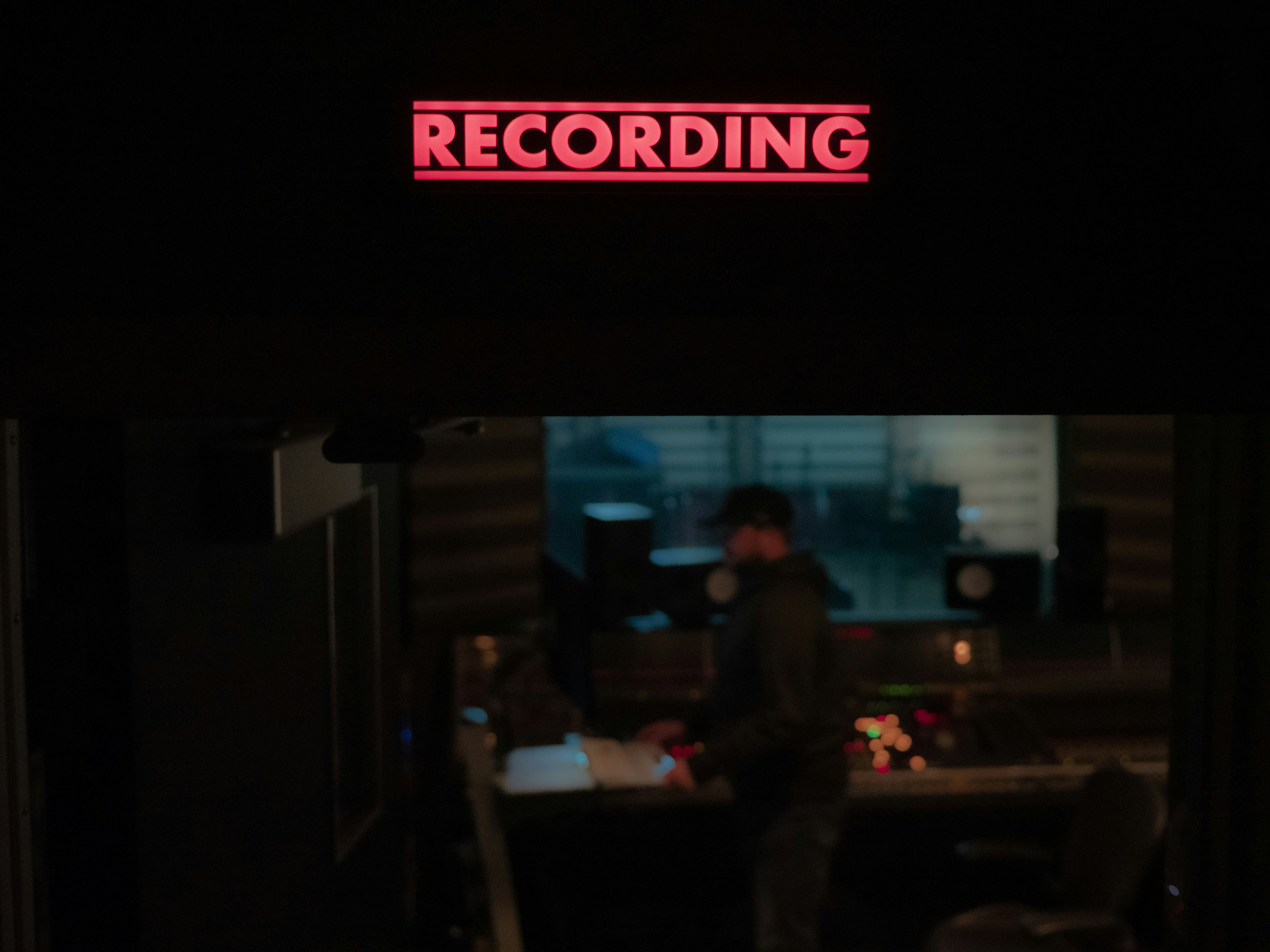
In a recording studio, reverb can provide depth and warmth to tracks. During music production, producers might add reverb to vocals, allowing them to blend seamlessly with the instrumental background. Various reverb types—like plate, spring, or algorithmic—help achieve unique sound characteristics. While digital reverb offers precise control and versatility, many producers still appreciate analog reverb for its rich and organic qualities, which often evoke a nostalgic feel.
In conclusion, understanding reverb and its applications can greatly enhance both live sound and music production. Whether using advanced digital tools or embracing traditional analog techniques, it plays a crucial role in shaping the auditory experience.